FILMS & VIDEOS

SOMEONE YOU SHOULD MEET (2024)

This short documentary (30 minutes) explores one family’s changing sense of Jewish identity over five generations. The film centers around a gathering of the extended families of the filmmakers, who only recently discovered their familial link through their great-grandparents, early 20th-century immigrants Judith and Machman Chasanoff. Created with Debra Chasnoff.

In an unprecedented look inside the disabled community, Code of the Freaks gives the mic to some of Hollywood’s most incensed and ignored critics – actual disabled people. AUDIO DESCRIPTION: Image of Carrie Sandahl, a white woman appears on the screen. She says, “A movie that I like” Candace Coleman, a black woman with longer black hair appears. She says, “No I can’t name any.” Riva Lehrer, a white woman with glasses and short red and grey hair says, “Yeah, it’s a pretty short list.” Black screen appears with the words: Kino Lorber. A quick succession of images: Two men walking down the street (from Midnight Cowboy). Two men riding down the escalator (from Rainman). The words: 1,000 films appear. Image of a wheelchair-using man in front of a world map with the words 100 years. Annie Sullivan and Helen Keller from Miracle Worker, Billy Bob Thorton’s character from Sling Blade, Cuba Good Jr.’s character from Radio, a man using crutches standing on a table with a scowl and pushing a young woman’s heads down, Quasimodo from The Hunchback of Notre Dame. Mat Fraser, a white man wearing a blue shirt and brown vest, says, “I think that the image, the screen image, is the sole definer for the general population, of disability.” Cut to a clip of a young white man in a wheelchair in front of a microphone on a stage. Several white men sitting behind him on the stage. Susan Nussbaum says, “There are a lot of stereotypes of disability in the movies.” Clip of Warren throwing Ted onto a table from There’s Something About Mary. Image of Susan Nussbaum, a white woman with curly brown hair. She continues, “In fact, there’s nothing but.” Image of a monster figure with gills and a woman with dark hair and with scratches on her neck float in water. Voice over for Crom Saunders says, “How people are represented, of course, is not the decision of the community. It’s the writer, the filmmaker, the actors even.” Image of Crom, a white man with glasses, signing. Cut to image of a white man in a military uniform (Al Pacino’s character in Scent of a Woman) waving a gun above another figure’s head saying, “What life, I’ve got no life. I’m in the dark here.”Close up image of Hilary Swank from Million Dollar Baby being transferred into a chair. Alyson Patsavas says, “Killing disabled people is a happy ending.” Clip of a young boy with braces on his legs falling off as he runs (from Forrest Gump). “Curing disability is meant to be a happy ending,” Alyson Patsavas, a white woman with short hair and glasses, appears and says, “Institutionalizing is meant to be a happy ending.” Clip of little people from The Wizard of Oz on the yellow brick road. Tekki Lomnicki a little person with medium-length hair says, “People are always wanting to show little people as magical” Clip of a blind man feeling a woman’s face. Susan Nussbaum says, “It seems as if that’s the first thing blind people want, is to feel your face.” Series of tree additional face-feeling scenes. Susan appears on the screen and continues, “I don’t know, I’ve just never had that happen to me.” Clip of a woman with a mask covering half her face. Lawrence Carter Long says, “The evil-doer, of course, is disfigured.” Close up image of a monster with a hunchback, Captain Hook, and a man whose torso is attached to a machine that looks like a mechanical spider. Lawrence a white man with short hair, points at the camera and continues, “I think somewhere in the dark, reptilian parts of our brain, we think. ‘Well, evil-doers must be ugly.” A series of clips from several films of woman screening after seeing monstrous figures, men with scars and/or facial disfigurements. Mat Fraser says, “Our job, as disabled people, is to become in a position of enough power to be able to input into that imagery.” Clip of a man wheeling a hospital-style wheelchair in a virtual empty room with a spiral staircase. Susan Nussbaum’s says, “Most people feel that to be able to think about a movie as you are seeing it is destroying your ability to enjoy the movie. And I would argue that it enhances it” Clip of a little person in a doorway (Austin Powers), one man shaking another whose face is bloodied (Of Mice and Men), an image of a man on a gurney with egg on his face (Coming Home), a birds-eye shot of a woman in spinning in a wheelchair (What Ever Happened to Baby Jane). The words, “Code of the Freaks” appears in block letters. Then, “offend one….you offend them all.” “A film by Salome Chasnoff. Written by Susan Nussbaum, Alyson Patsavas, and Carrie Sandahl. Cinematography and editing by Jerzy Rose”

Code of the Freaks (2020)

This feature-length movie about movies is a darkly humorous critique of Hollywood representations of disability, told from the perspectives of disabled artists, writers, and cultural critics.

In collaboration with Susan Nussbaum, Carrie Sandahl, Aly Patsavas, and Jerzy Rose. 
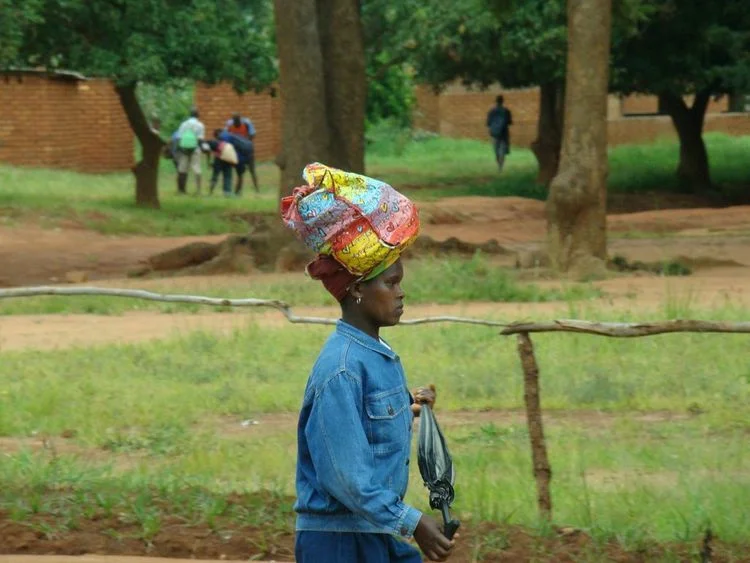

In the midst of the health care crisis sweeping sub-Saharan Africa, a small hospital in rural Malawi struggles to serve over 120,000 people, all nearly free of charge, with just one doctor. This feature-length documentary focuses on the impacts of HIV/AIDS, poverty and the status of women on maternal-child health in one of the world’s poorest countries.

Brink of Survival (2013)

This feature-length documentary was shot on location in rural Malawi. The film takes viewers inside a tiny hospital that struggles to serve 120,000 people, all nearly free of charge, with just one doctor.

Created with Martha Sommers, Jerzy Rose, Jesse Wheeler, and Andrea Bunch. 


Now streaming on Fandor: https://www.fandor.com/films/crimes_against_humanity www.crimesmovie.com www.facebook.com/crimesmovie A priggish dean's assistant at the local university spearheads an investigation into a possible satanic cabal in the ethnomusicology department; meanwhile his weepy, maudlin girlfriend Brownie becomes the victim of several freak accidents after cheating on him with a mysterious sweetheart. Crimes Against Humanity is a nihilistic romp through gossipy academic parties, boozy-stake outs and surreal bedtime stories. "Delightfully mean-spirited...a marvelous pastiche of the private-eye movie" - Orlando Weekly "Rose and co-writer Halle Butler are masters of wry humor, delighting in their characters’ self-pity, casual dishonesty and cruelty. Mike Lopez and Lyra Hill are beyond perfect in the lead roles, generating spark showers of subtextual resentment in their scenes together." - Paul Sbrizzi, Slamdance Film Festival "Recalls the fiction of Thomas Pynchon in its mix of conspiracy plots, academic references, and loopy humor...Rose creates a distinct, propulsive rhythm for the comic dialogue.” - Chicago Reader “Star Lyra Hill's wide-eyed, increasingly mangled deadpan gaze is worthy of a silent comedy all its own.” - Chicago Tribune OFFICIAL SELECTION - SLAMDANCE FILM FESTIVAL 2014 BEST FEATURE - BOSTON UNDERGROUND FILM FESTIVAL 2014 SPECIAL JURY AWARD (best ensemble cast) - FLORIDA FILM FESTIVAL 2014 OFFICIAL SELECTION - WISCONSIN FILM FESTIVAL 2014 OFFICIAL SELECTION - CHICAGO UNDERGROUND FILM FESTIVAL 2014 2014 - 77 Minutes Starring Mike Lopez, Lyra Hill and Ted Tremper Written by Halle Butler & Jerzy Rose Directed by Jerzy Rose

Crimes Against Humanity (2013)

I executive produced and played a cameo role in this feature film, described by director Jerzy Rose as “a nihilistic romp through gossipy academic parties, boozy-stake outs and surreal bedtime stories.”


Tanaman Dul (2012)

Three music videos, shot during Tanaman Dul's 2012 U.S. tour, show how this theatrical band from Brazil incorporates Brazilian stylings to inflect its performance of Irish drinking songs.

Featuring Jesse Wheeler, Marilia Carvalho, Gaje Mansfield, Makoto Yamamoto, and Diogo Vanelli.

Videos produced with Jerzy Rose.
Tanaman Dul is a Brazilian-Irish band based in Brasilia, Brazil. This music video captures their 2012 Midwest tour. Featuring Jesse Wheeler, Marilia Carvalho, Gaje Mansfield, Makoto Yamamoto, and Diogo Vanelli. Produced by Salome Chasnoff and Jerzy Rose.

Tanaman Dul is a Brazilian-Irish band based in Brasilia, Brazil. This music video was compiled from their 2012 Midwest tour. Featuring Jesse Wheeler, Marilia Carvalho, Gaje Mansfield, Makoto Yamamoto, and Diogo Vanelli. Produced by Salome Chasnoff and Jerzy Rose.

Big Strong Man, recorded during Tanaman Dul's 2012 U.S. tour, shows how this exciting band incorporates its native Brazilian stylings to inflect its performance of Irish drinking songs. Featuring Jesse Wheeler, Marilia Carvalho, Gaje Mansfield, Makoto Yamamoto, and Diogo Vanelli. By Salome Chasnoff and Jerzy Rose.


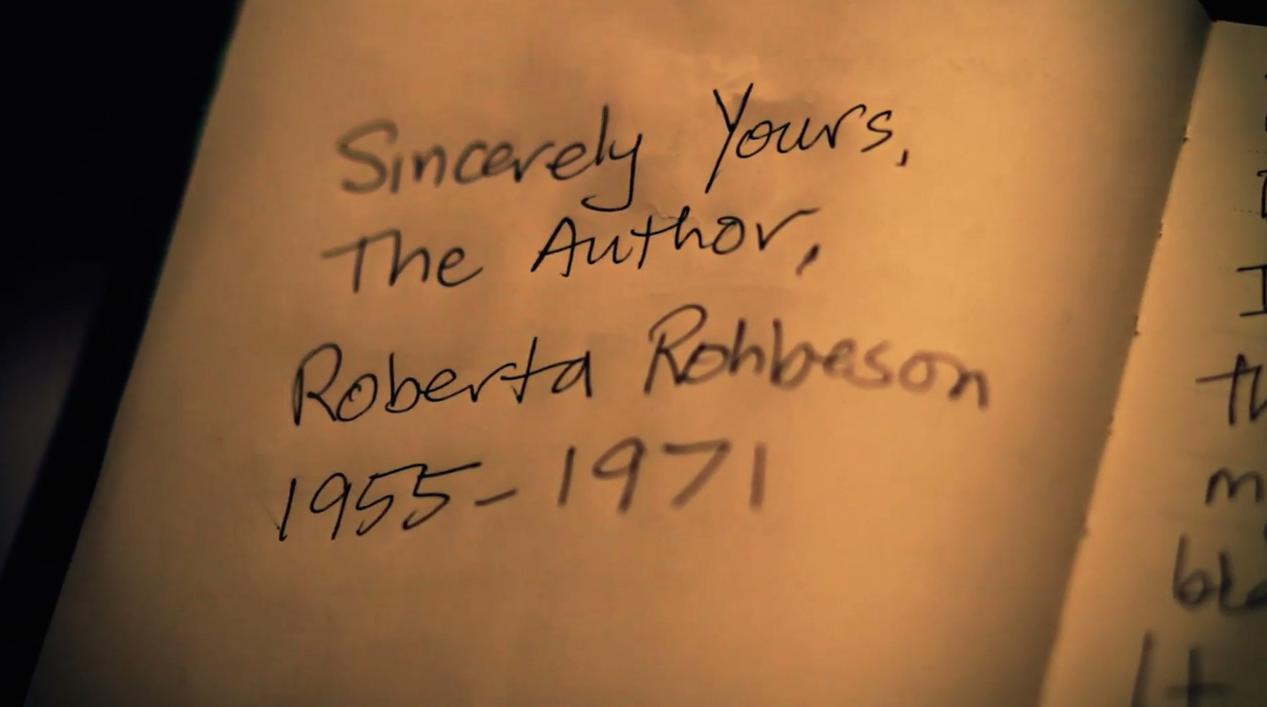
A short film adaptation of the opening scenes of Lynda Barry's darkly funny, harrowing novel, Cruddy.

Cruddy (2012)

I adapted the script for this short film from the opening pages of Lynda Barry's dark, funny, harrowing tour de force novel by the same name. 

Featuring Tory Baxter, Rachel Rozycki, and Neka Barrera. Produced with Jerzy Rose. 
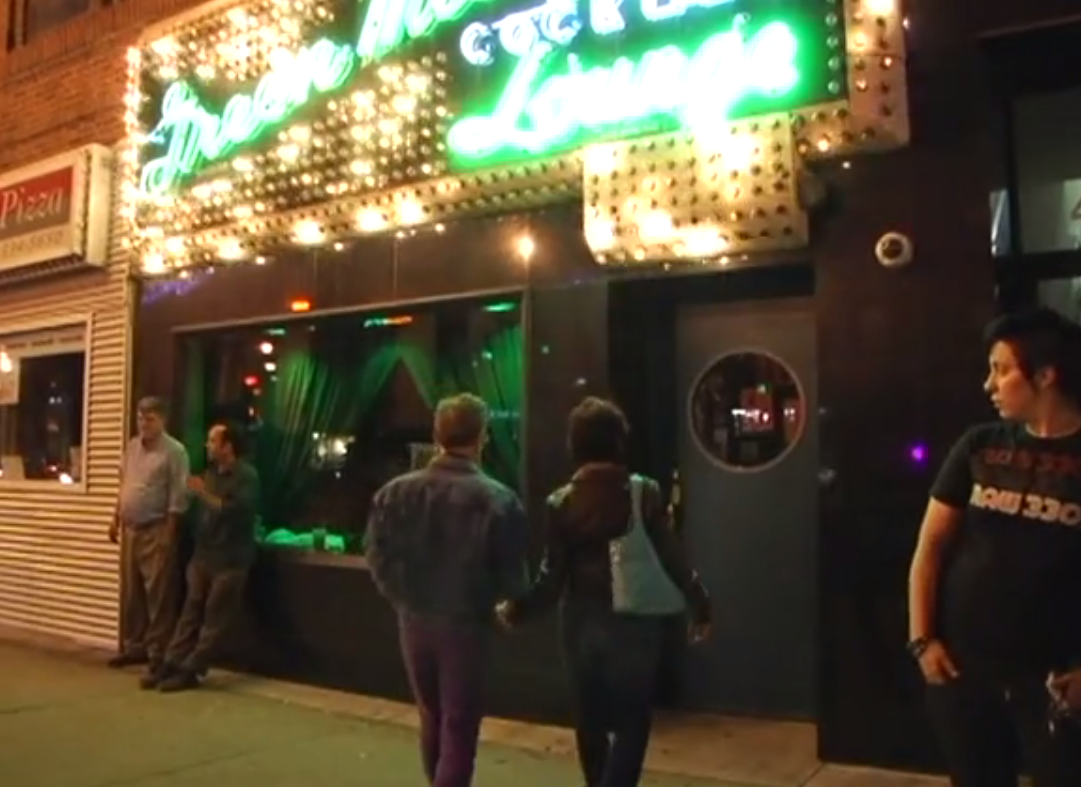

I made this video - with help from friends and family - because I was too cowardly to publicly announce we were getting married. It tells the story of how we met - or a version of it - right up to the surprise ending.

When Brad Met Sally (2009)

I made this short film to turn our wedding into a performance as a way of dealing with the embarrassment of a private event becoming a public spectacle. We invited friends and family to “just a backyard party” and surprised them. 

Featuring Brad Newton and me. Produced with Madsen Minax.
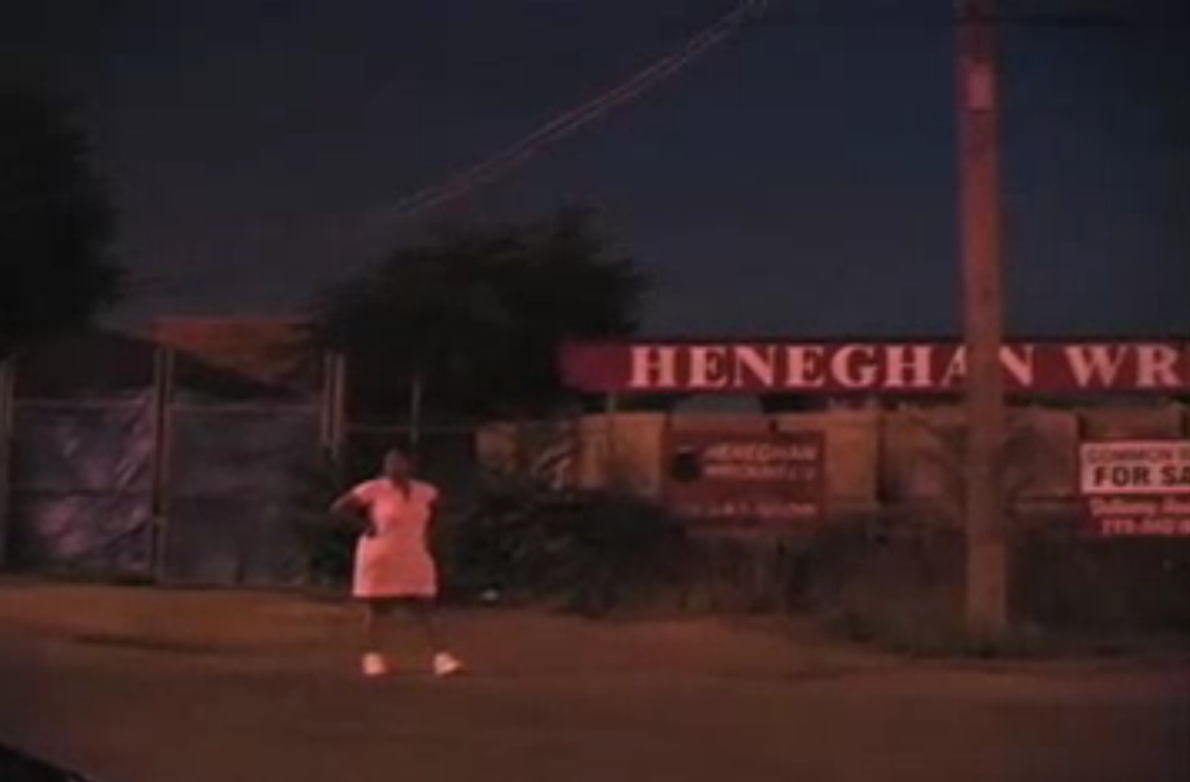

TURNING A CORNER tells the stories of people involved in the sex trade and their efforts to raise public awareness of systemic injustice and promote needed reforms. Created in a media activism workshop with over a dozen members of Prostitution Alternatives Round Table (PART), this groundbreaking film recounts their survival and triumph over homelessness, violence and discrimination, and gives rare insights into Chicago's sex trade industry. (60 minutes). To purchase the full-length documentary visit our website www.beyondmedia.org

Turning a Corner (2006)

Created in a workshop with Prostitution Alternatives Round Table, this feature-length documentary tells the stories of a group of women involved in the sex trade and their efforts to raise awareness of systemic injustice and widespread violence. Told on the streets of Chicago where the women once worked.

With Beyondmedia Education.
Click here to view full documentary free on Vimeo.


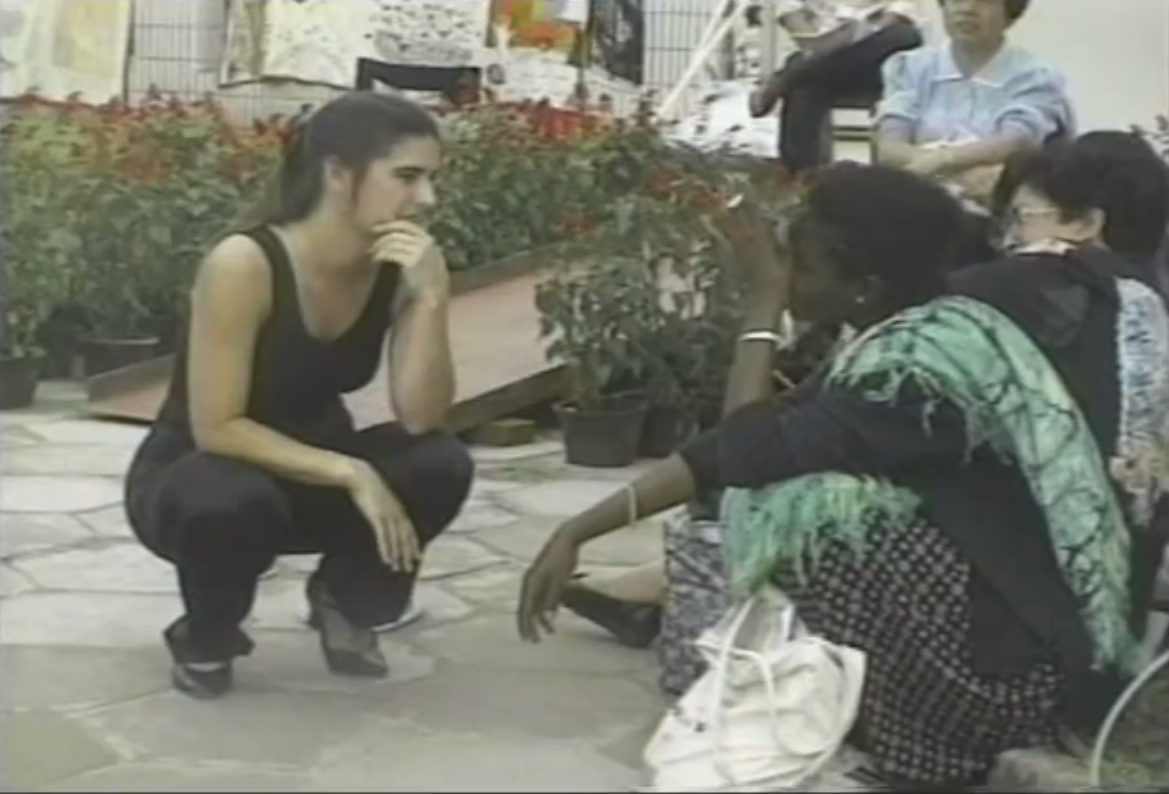
An independent documentary produced by women about the largest meeting of women in world history, the Non-Governmental Organizations (NGO) Forum on Women in Huairou, China, in September 1995. Beyond Beijing: The Handbook included free! Running Time: 60 minutes.


Beyond Beijing (1996)

This feature documentary captures the largest meeting of women in world history, the United Nations Fourth World Conference on Women, held outside of Beijing in Huairou, China, in 1995. 

Edited with Beth Berolzheimer and Dalida Maria Benfield.

Click here to view full one-hour documentary free on Vimeo.